
Senior Cohousing

What Is Senior Cohousing?
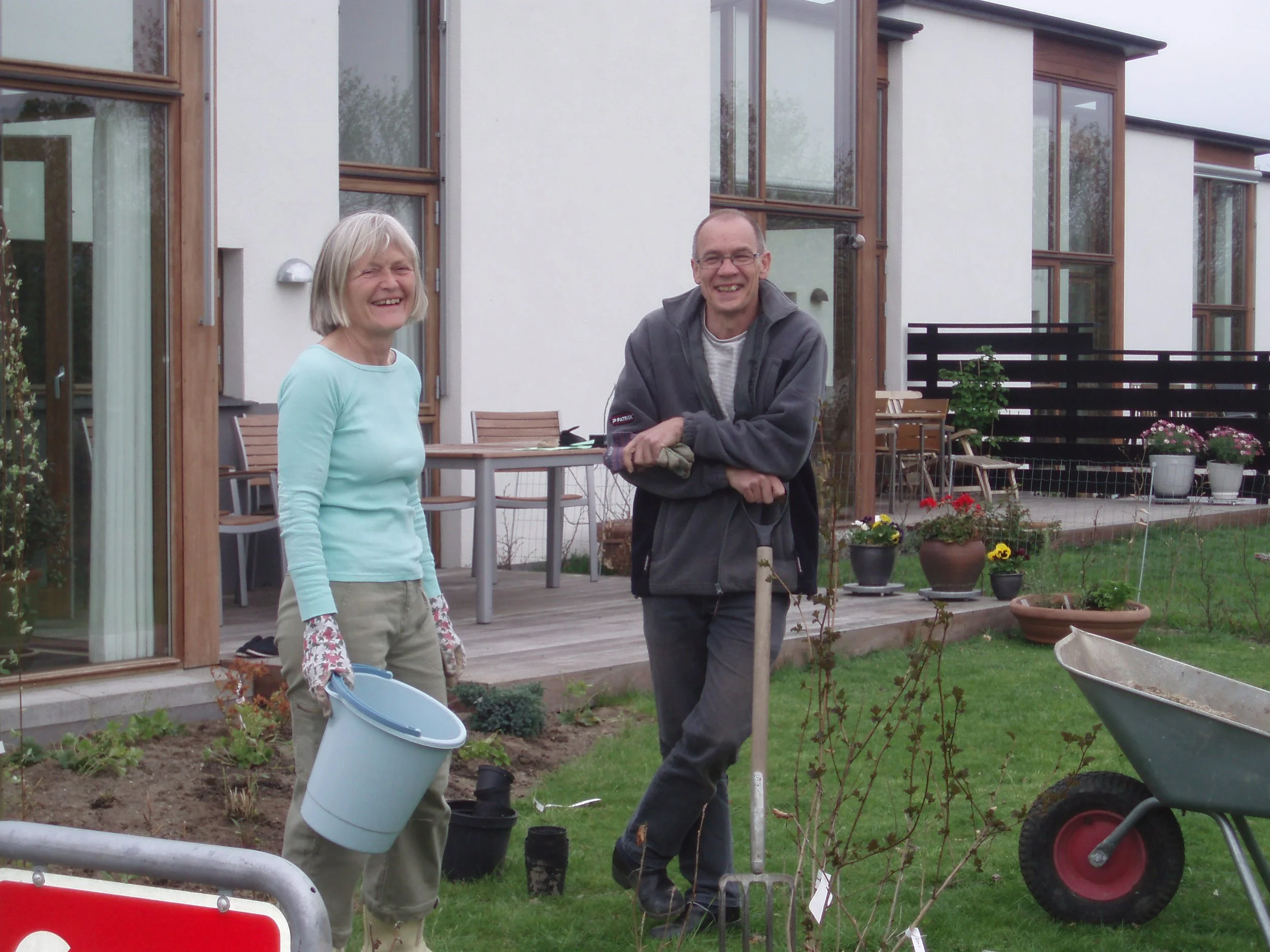
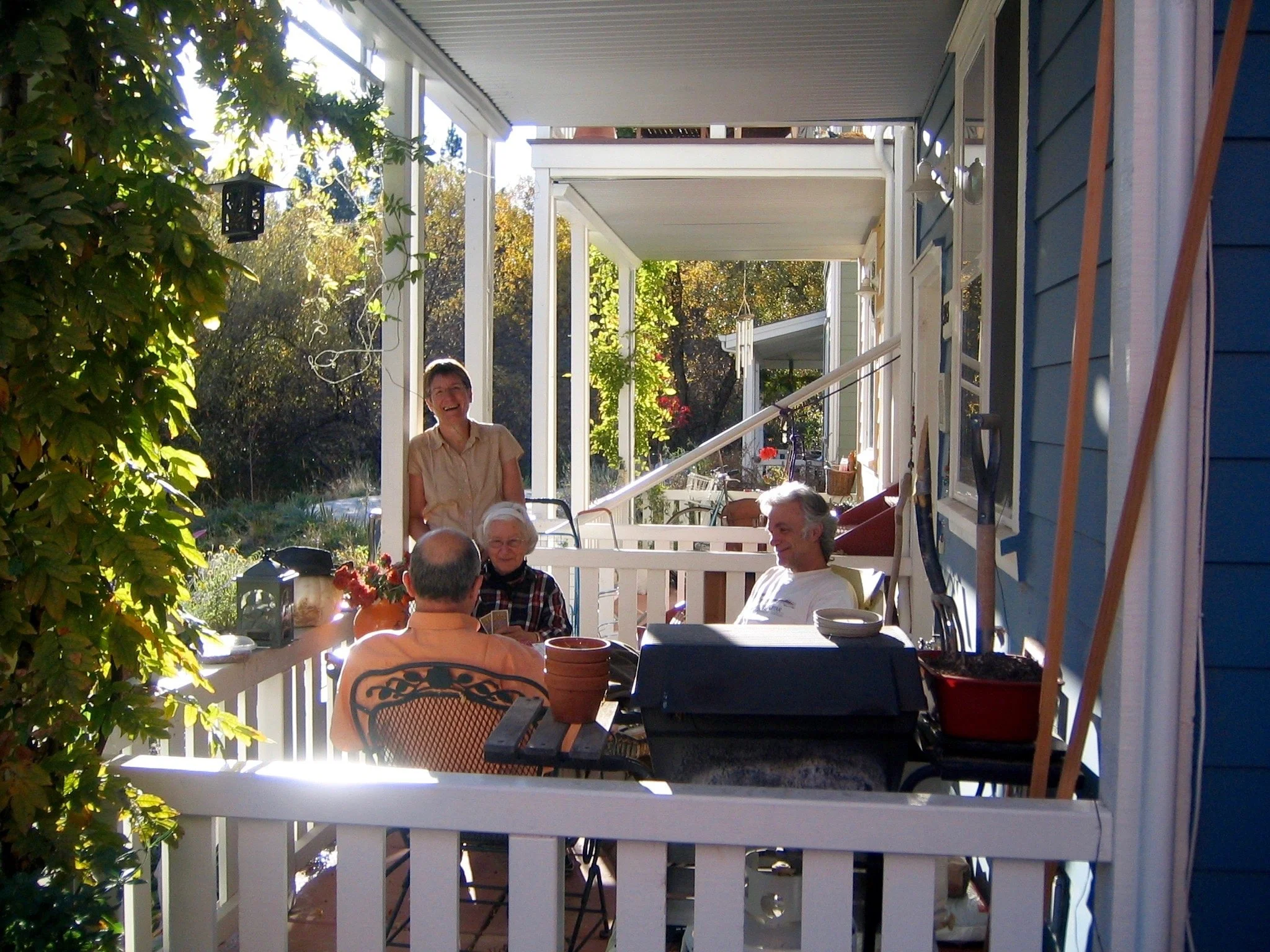
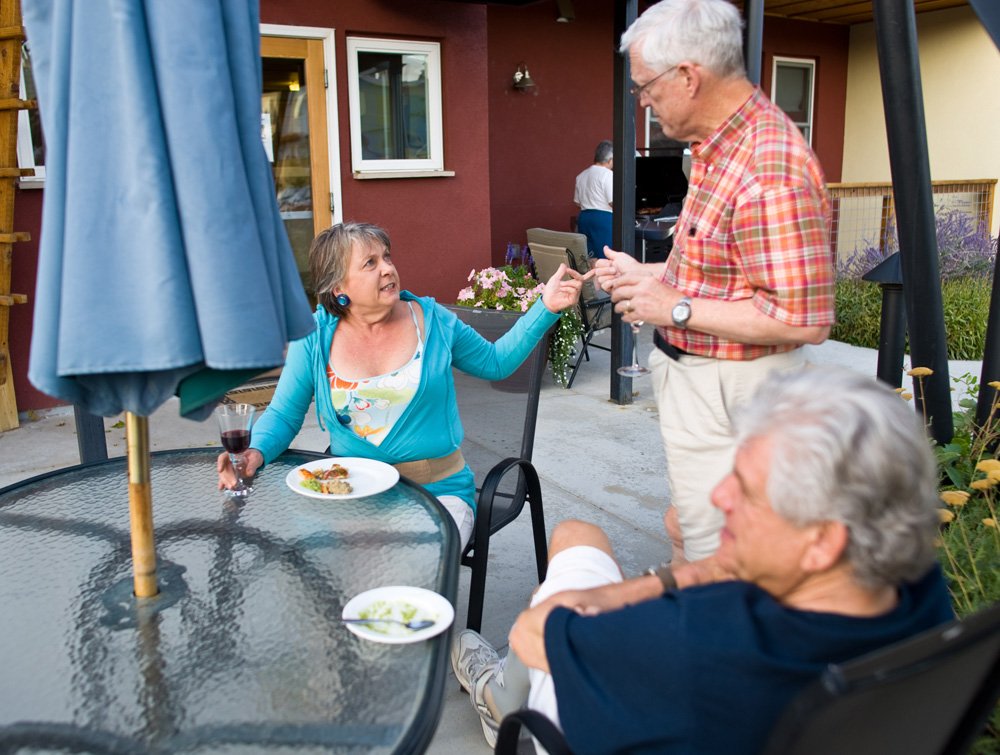
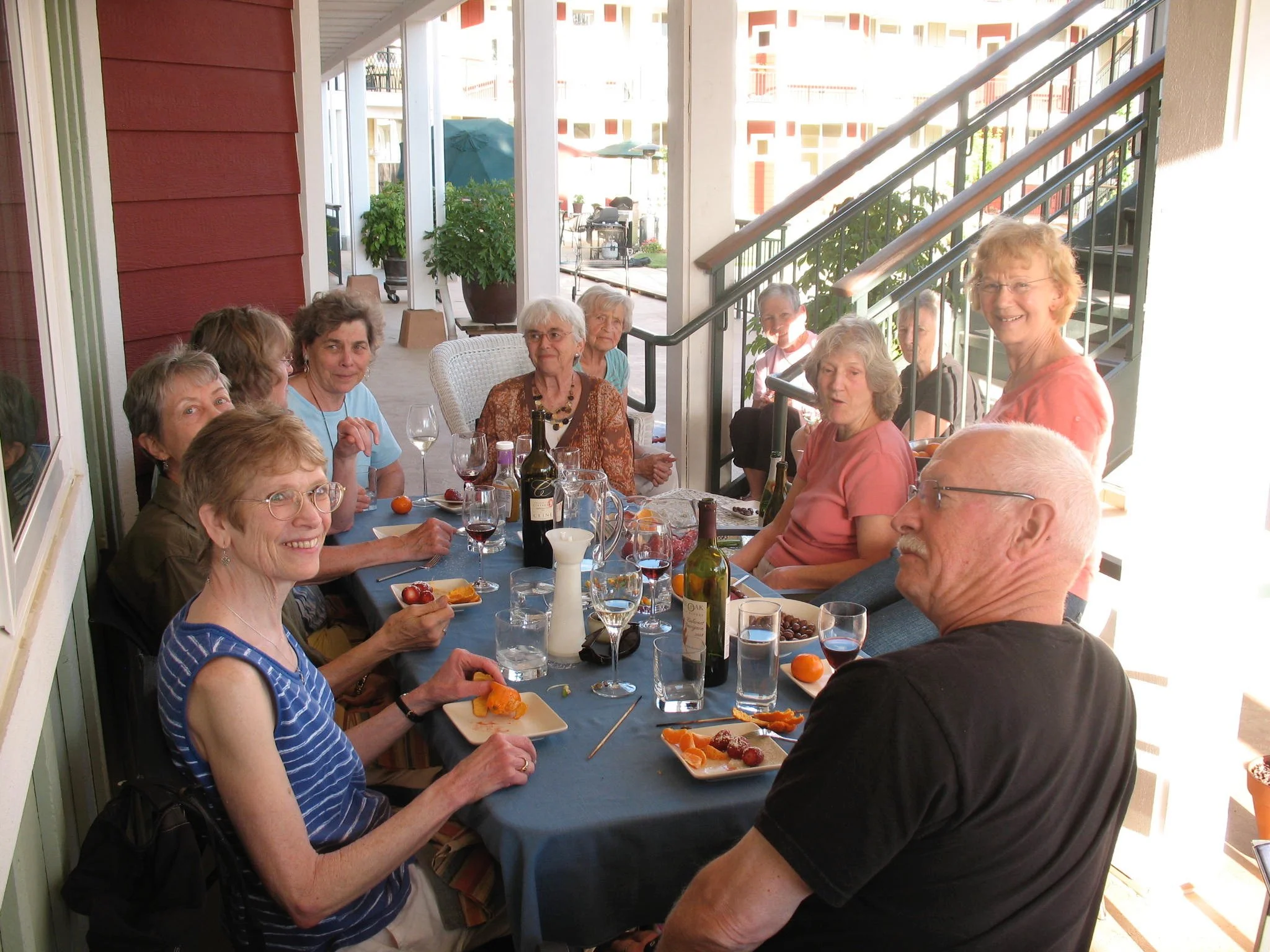
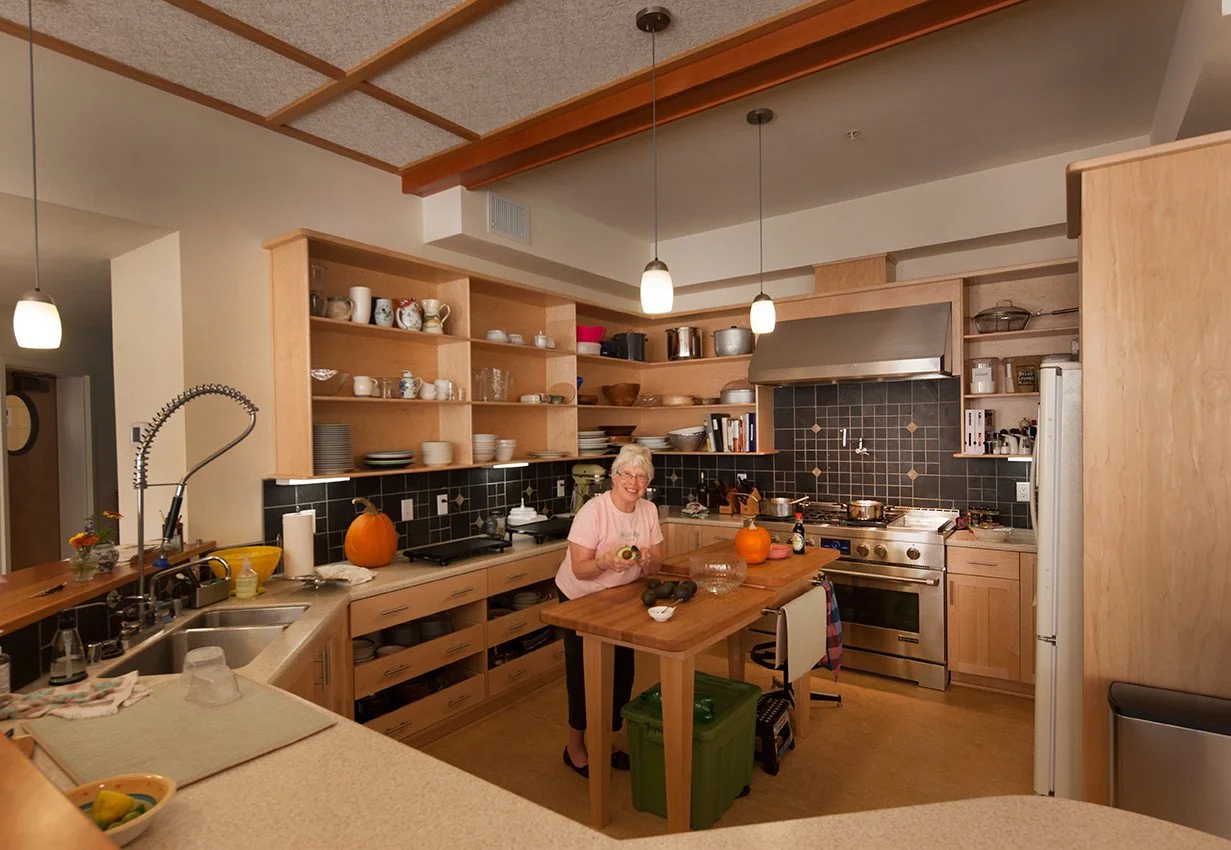
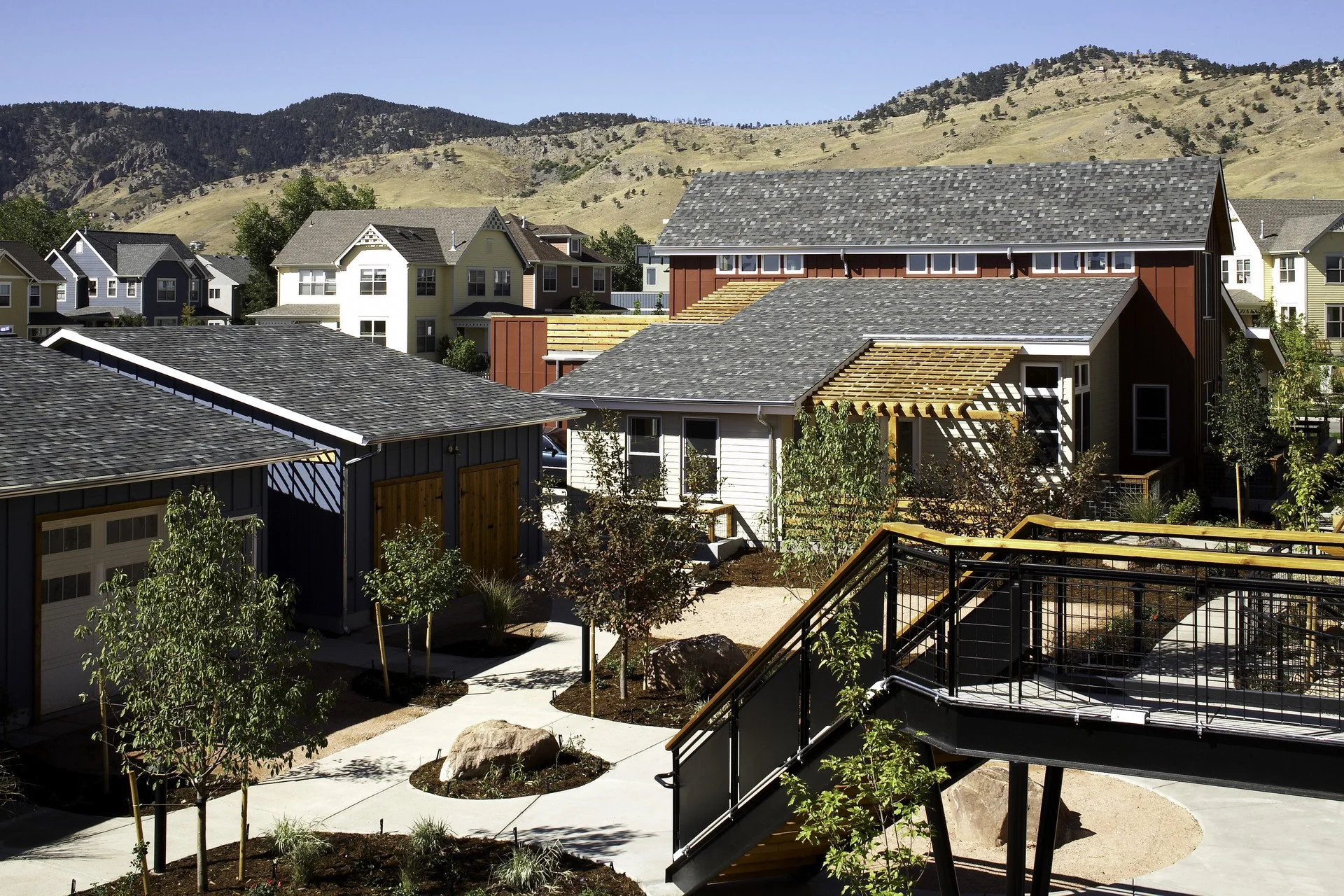
Senior cohousing is a purposefully designed housing model in which independently owned or rented private homes for older adults are clustered around shared common spaces. Residents voluntarily gather to interact, and support one another. Unlike traditional retirement communities or nursing homes, senior cohousing is resident-driven, with participants actively involved in community planning, governance, and daily life. These communities combine independence and privacy with the benefits of collective support and meaningful connection.
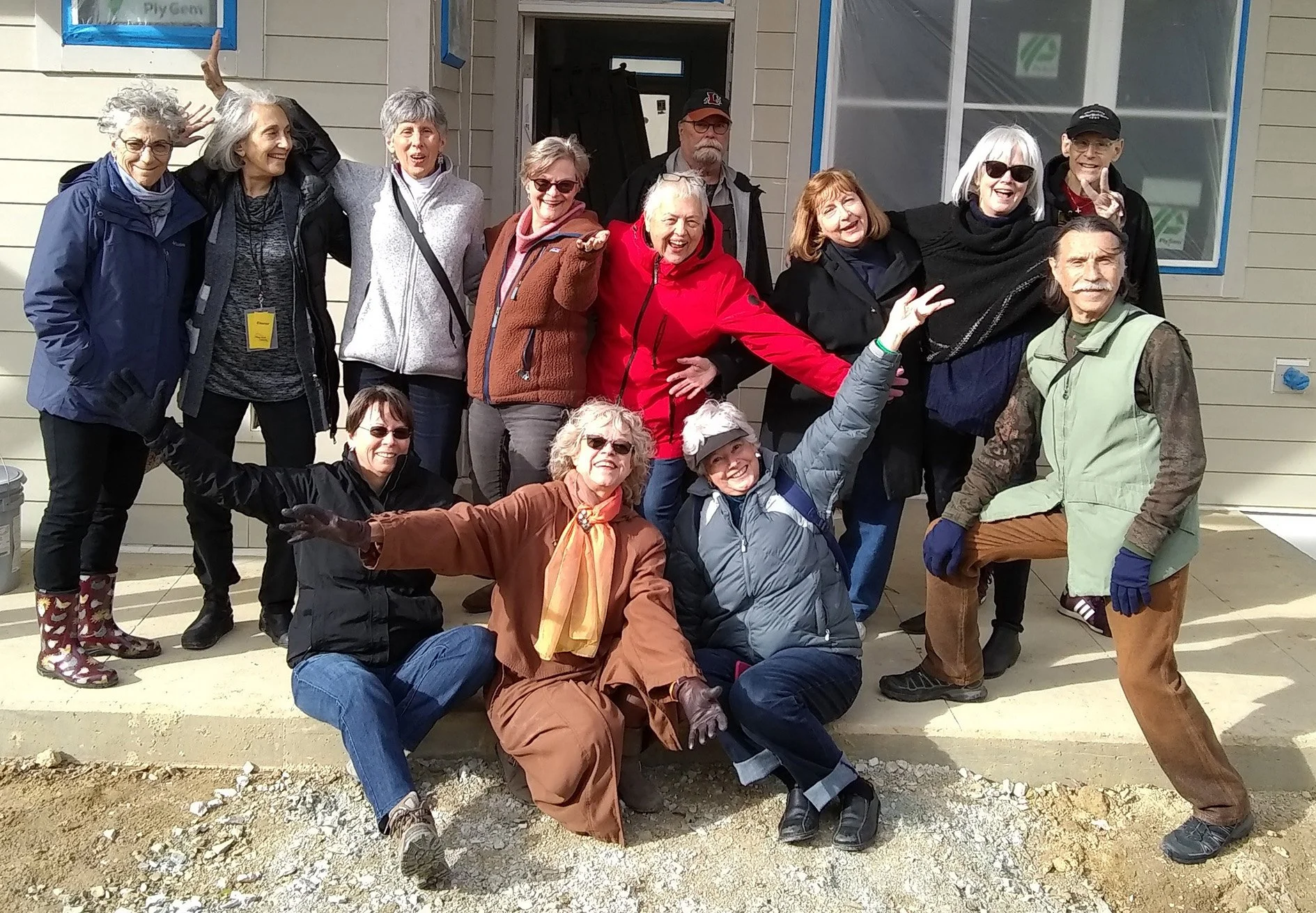
According to advocates and researchers, senior cohousing helps address limitations in traditional eldercare models like social isolation, strained healthcare systems, and the desire for purpose in later life. Experts describe cohousing as a promising alternative that adds valuable social infrastructure alongside physical housing. Allowing older adults to build close-knit support networks that function like family, fostering strong friendships, mutual care, and daily opportunities for meaningful engagement.
Overall, senior cohousing stands out as one of the best living options for older adults because it uniquely blends independence, social connection, mutual support, and shared purpose. It addresses critical challenges associated with aging like loneliness and declining health. All while empowering residents to live full, engaged lives within a community that looks out for one another.

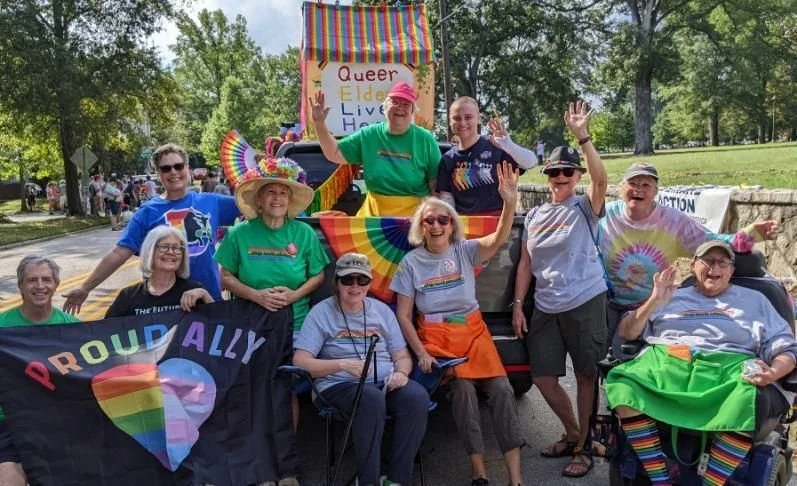
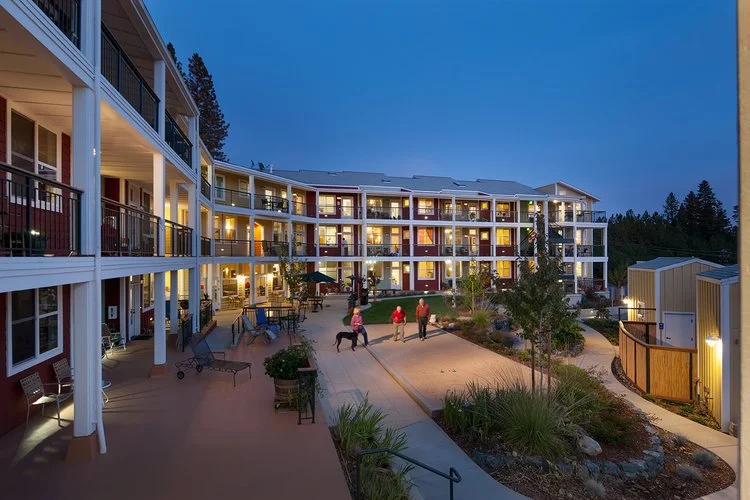
Why Senior Cohousing Is a Strong Housing Option for Seniors
1. Reduces Social Isolation and Improves Mental Health
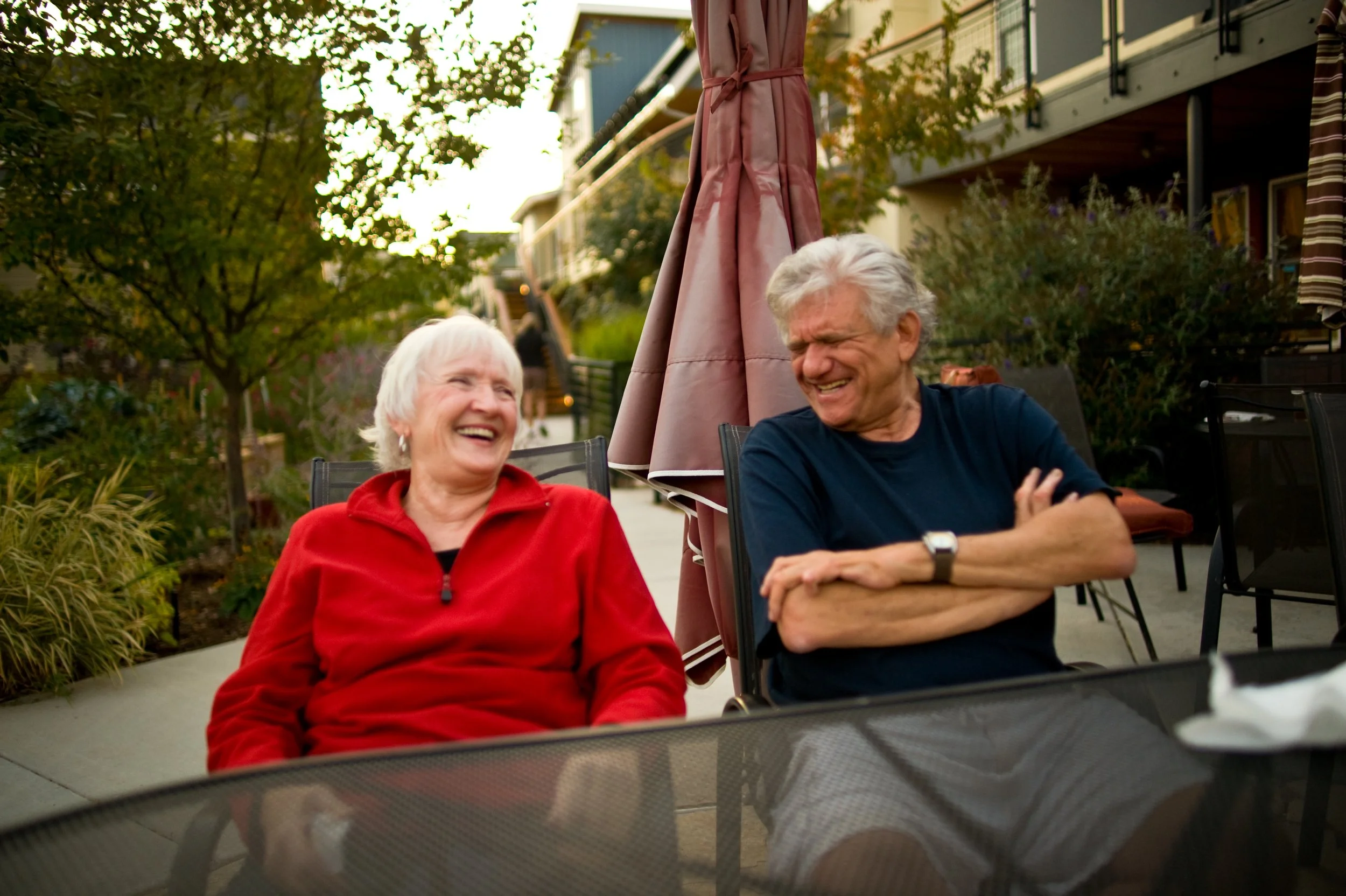
One of the strongest findings in the research literature is that cohousing decreases isolation and strengthens a sense of community among seniors. Studies show that living in intentional cohousing settings is associated with greater social participation, mutual support, and a stronger sense of belonging, supporting mental well-being as people age.
Loneliness and social isolation are recognized health risks for older adults, linked to higher rates of depression, heart disease, cognitive decline, and mortality. Living among neighbors who regularly interact and offer social support can significantly mitigate these risks.
2. Enhances Quality of Life and Daily Support
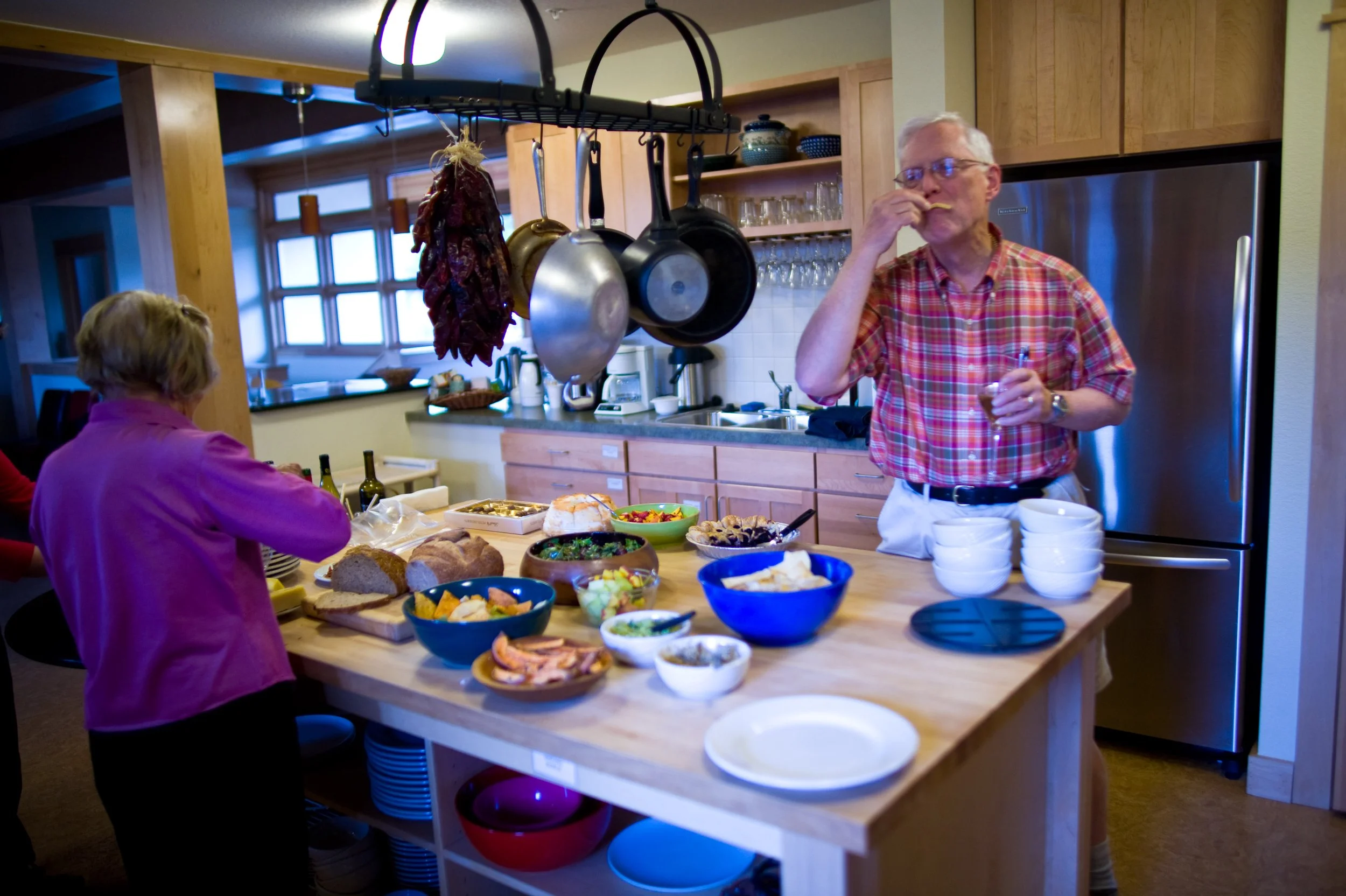
Research also suggests that senior cohousing positively impacts quality of life and physical health. Residents enjoy shared activities, informal support networks, and a collaborative environment that encourages activity, engagement, and purpose. In cohousing, neighbors often assist each other with daily tasks. Tasks like transportation, shared meals, or social outings, helping older adults remain independent for longer.
Senior cohousing is particularly well-suited for people who want a middle ground between living alone and moving to institutional care. One study found that residents reported maintaining or even improving quality of life in environmental, psychological, and physical aspects after moving into senior cohousing.
3. Supports Aging in Place with Community, Not Isolation
Aging in place means to stay in one’s home and community as long as possible. However, remaining socially connected and safe can be challenging in traditional single-home living. Senior cohousing integrates private homes with shared communal life, giving residents autonomy while maintaining regular social contact, shared meals, and neighborhood support systems. This model supports mobility, daily activities, and emotional well-being more effectively than isolated living.
Unlike institutional settings, cohousing does not replace formal caregiving when needed, but it provides a layer of informal, mutual support that reduces reliance on external services and can ease the emotional burden of aging alone.
Connect with other Senior Cohousing Advocates on Facebook!

In this highly-illustrated, 2nd edition Charles Durrett outlines a new approach to housing for active and thoughtful seniors with a focus on the communities built in North America. This book is for professionals and future residents interested in knowing why and how to create a senior cohousing community.
Ordering from outside the U.S.?
Unfortunately, due to exorbitant shipping costs we are only able to ship within the United States at this time. International customers can order the book through our international distributor here: New Society Publishers or ask your local bookstore to place an order through their supplier.
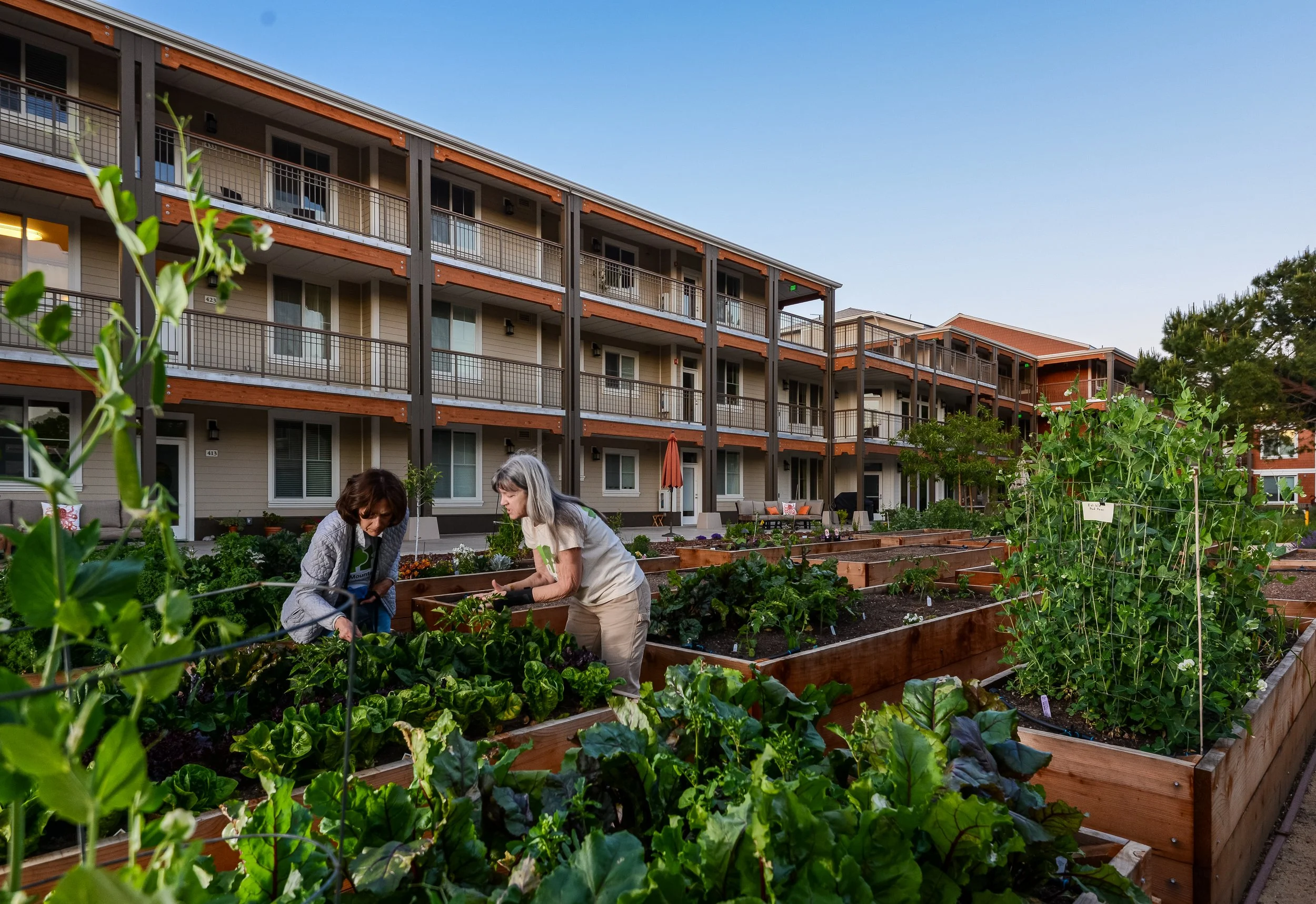
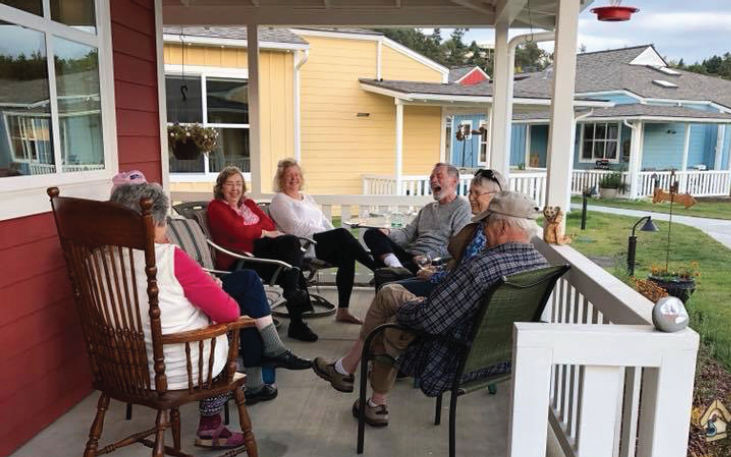
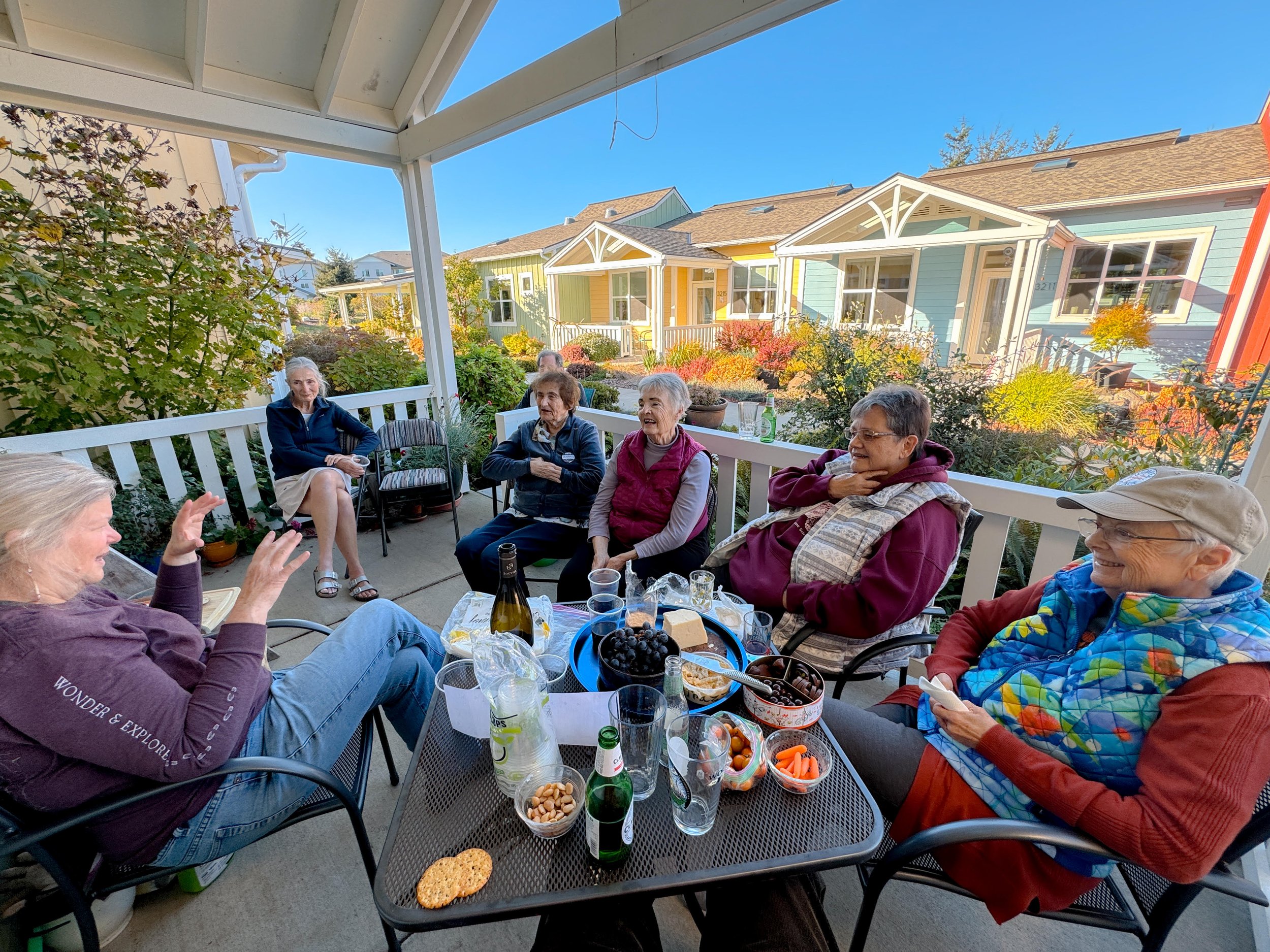
View some of our senior cohousing communities:
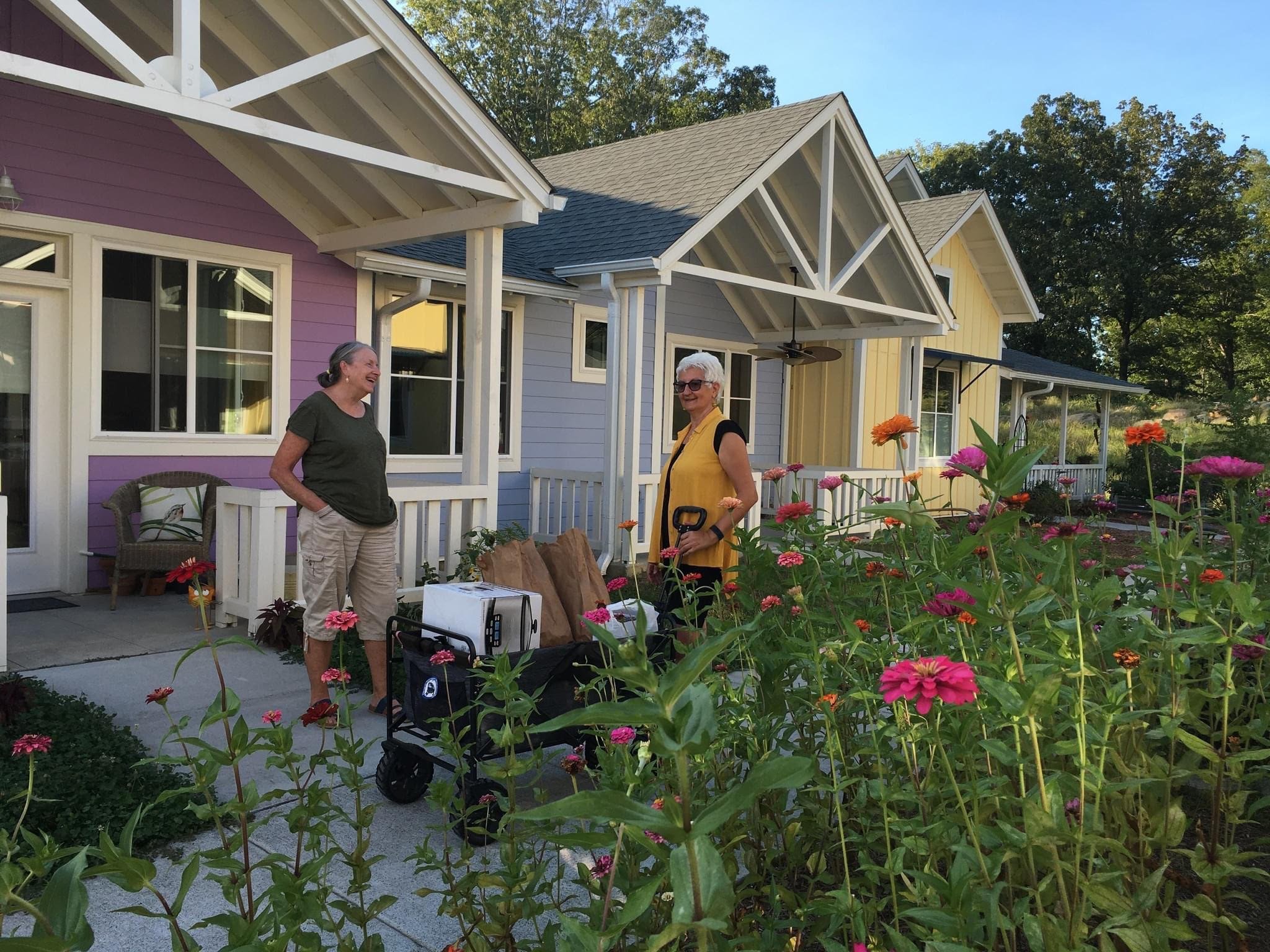
Village Hearth - Durham, North Carolina
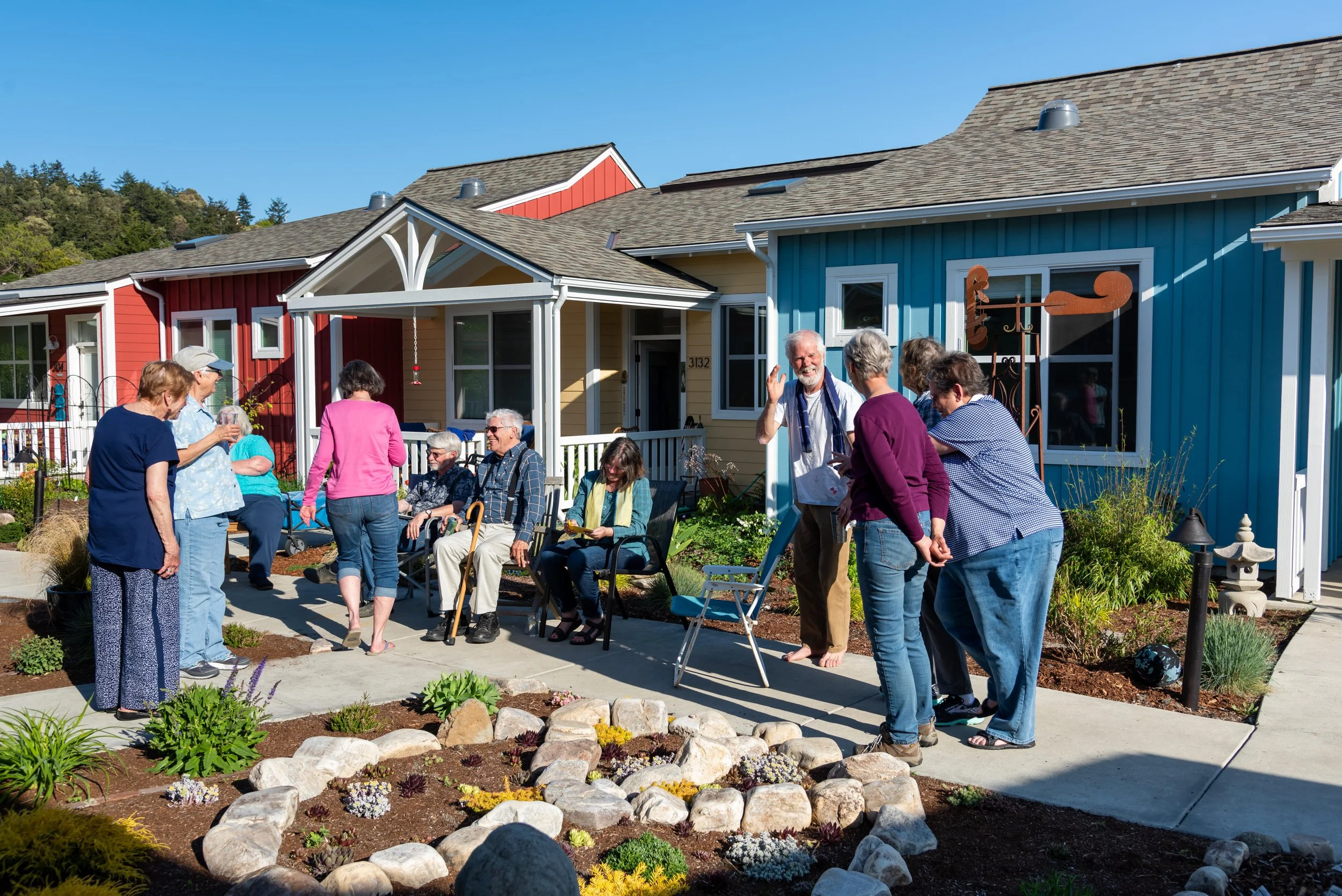
Quimper Village - Port Townsend, Washington
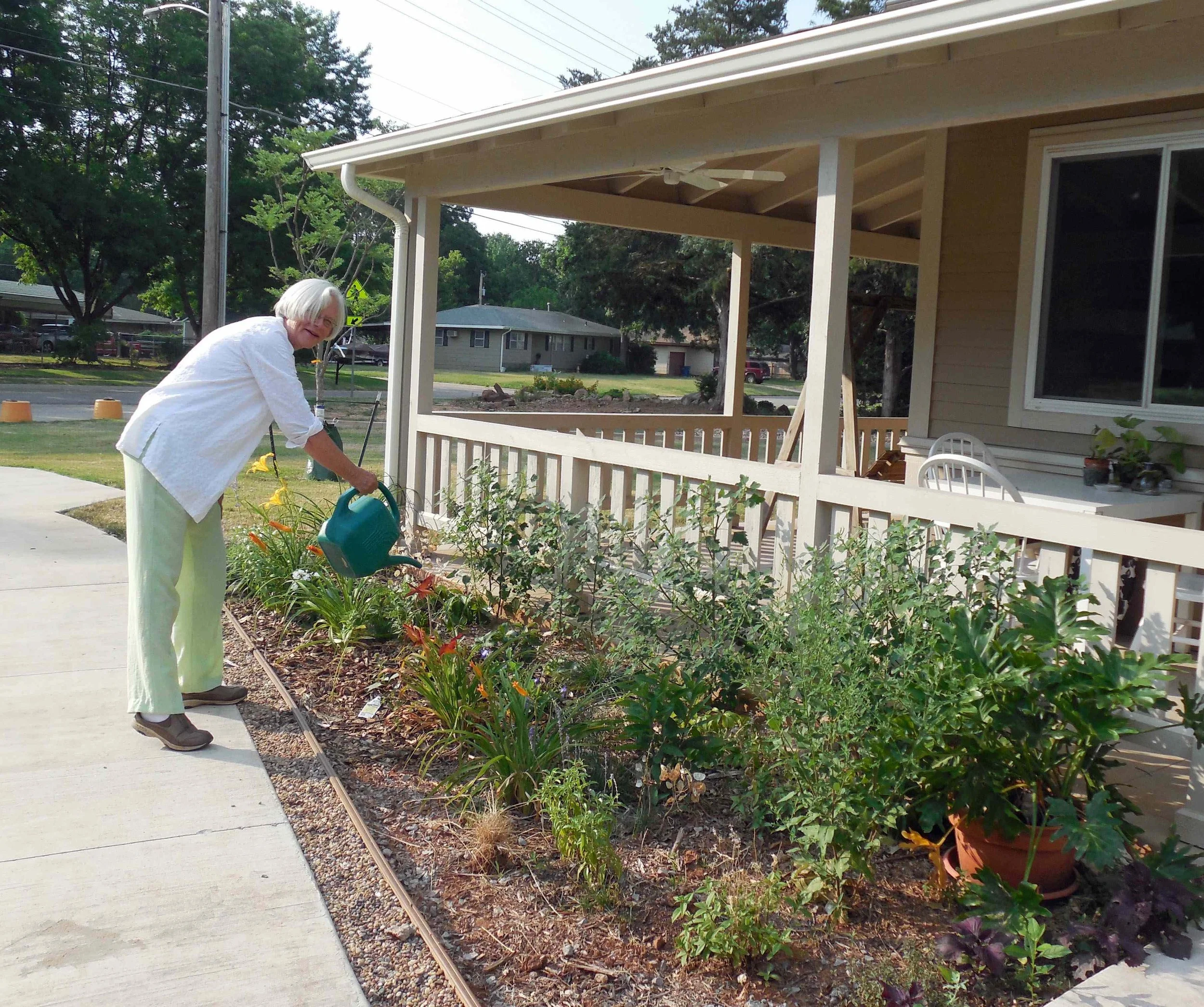
Oakcreek Community - Stillwater, Oklahoma
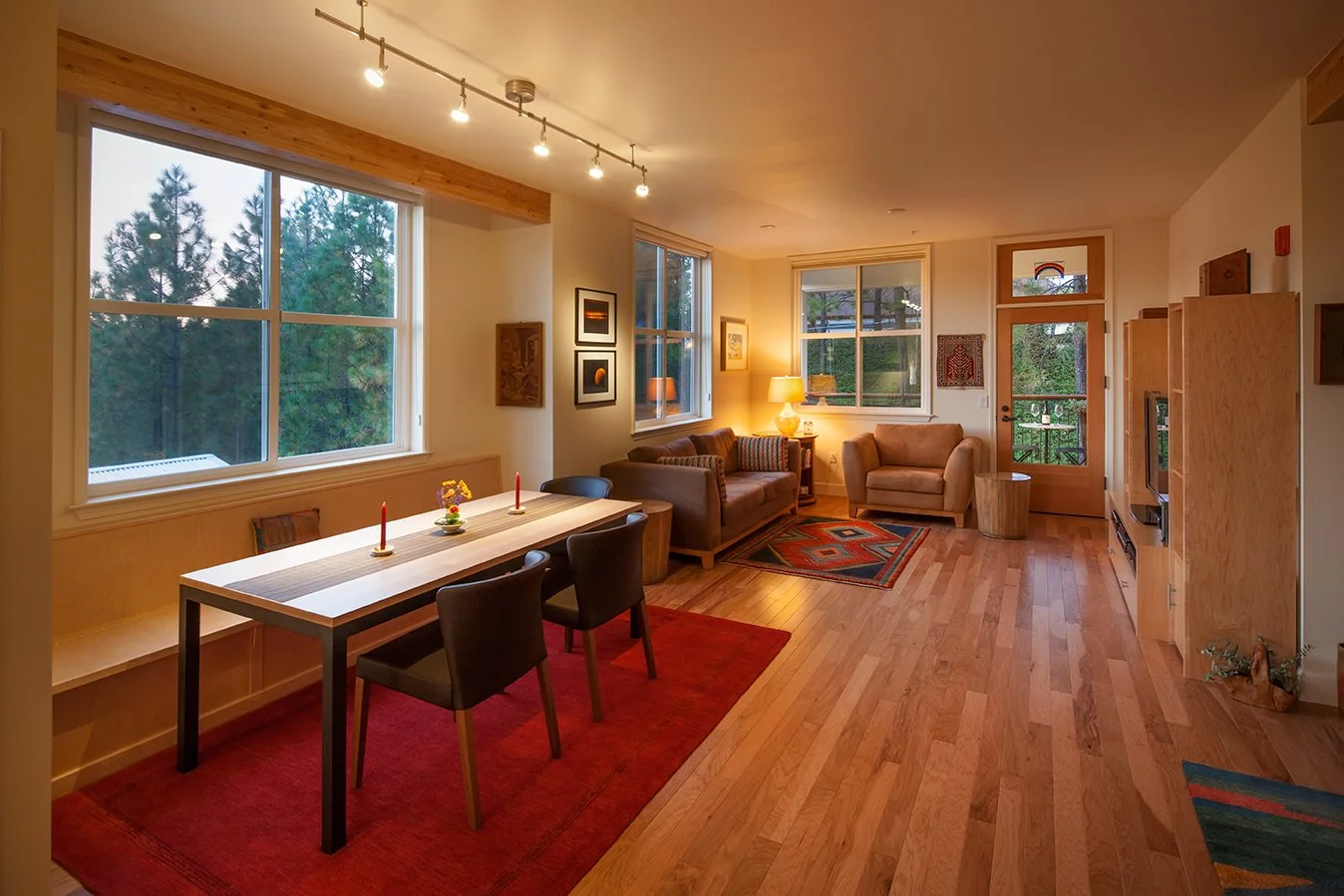
Wolf Creek Lodge - Grass Valley, California
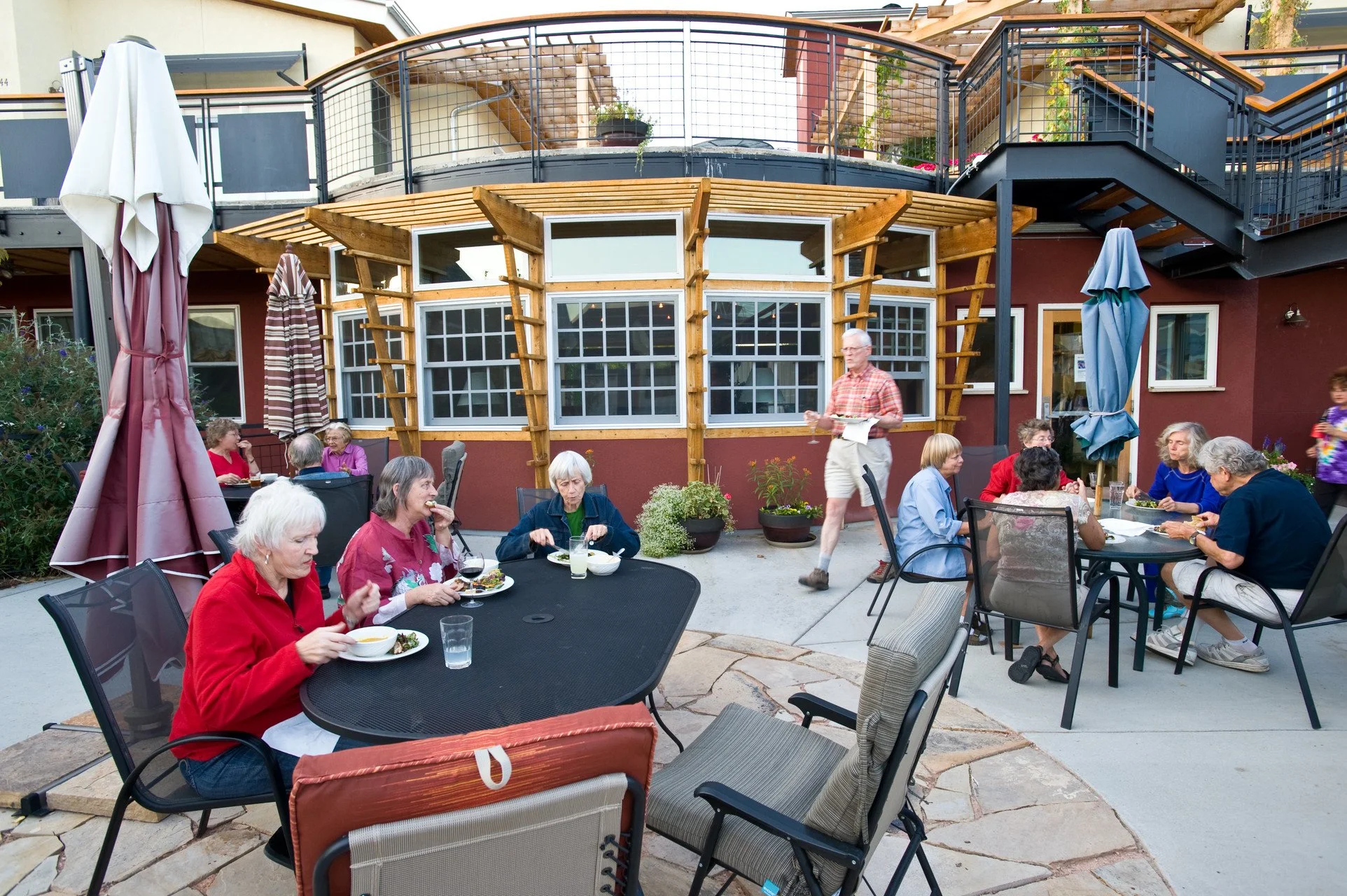
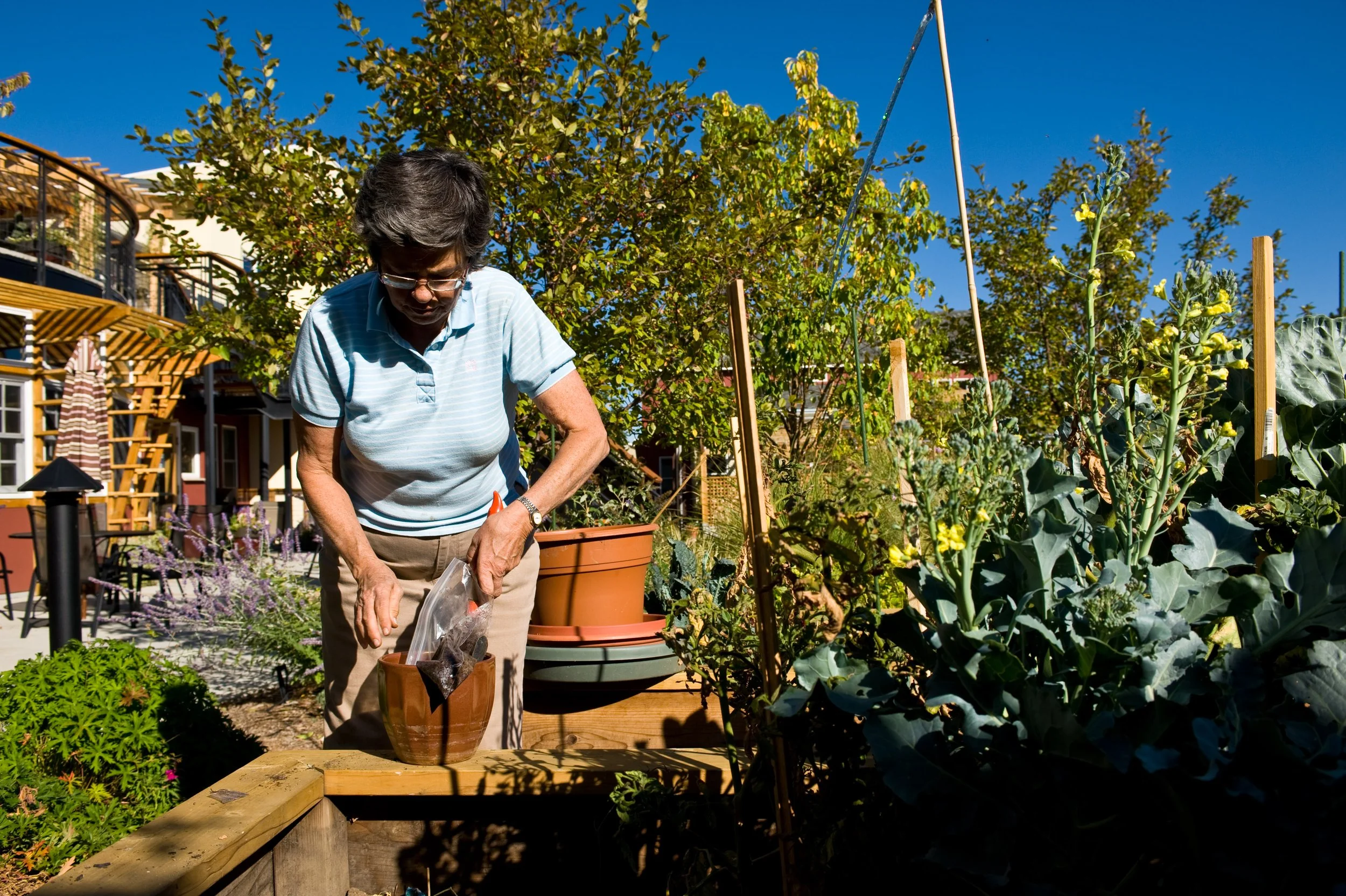
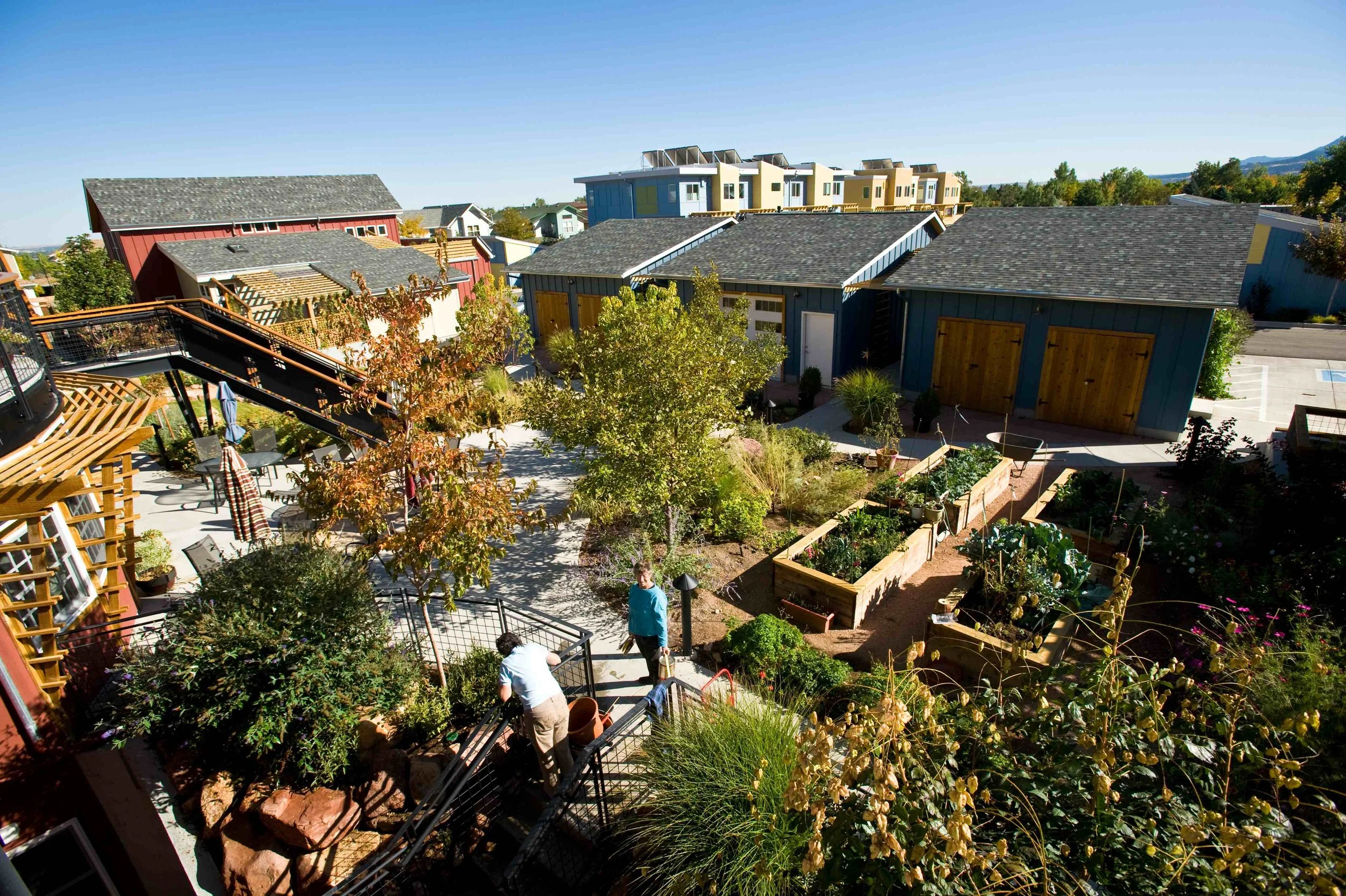
Silver Sage Village - Boulder, Colorado
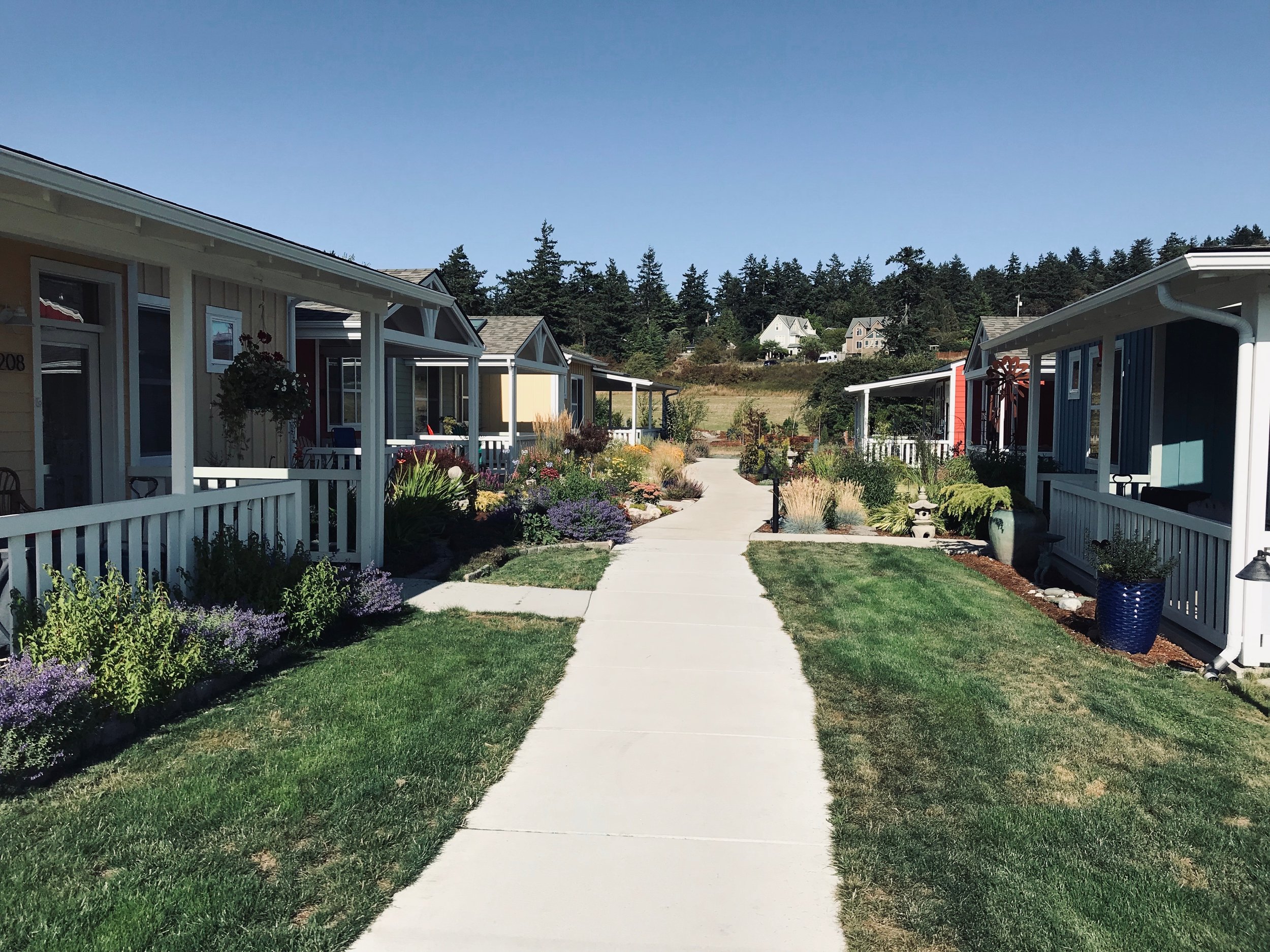
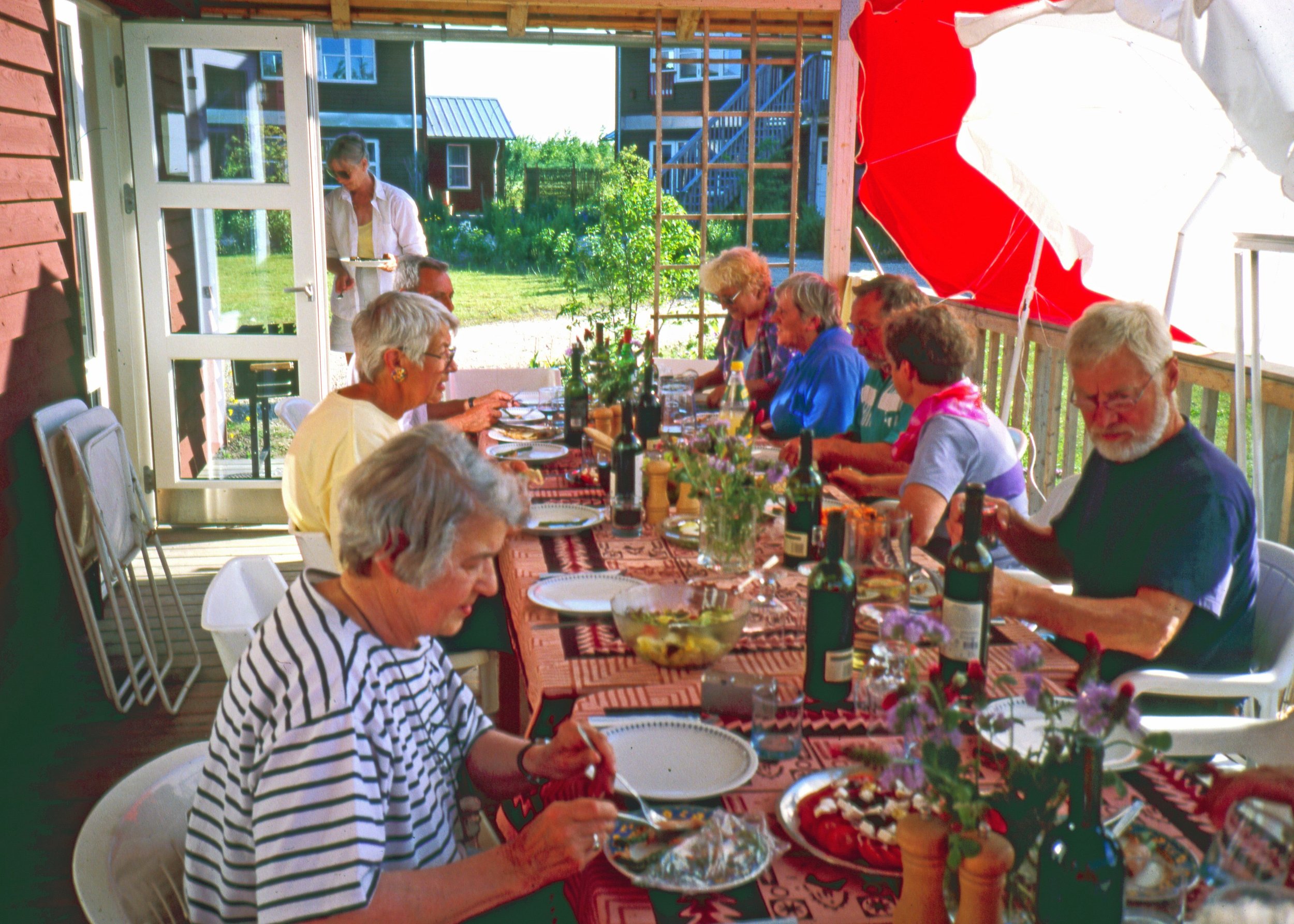
Early Bird till Sept 30: $450
Investment Price: $550
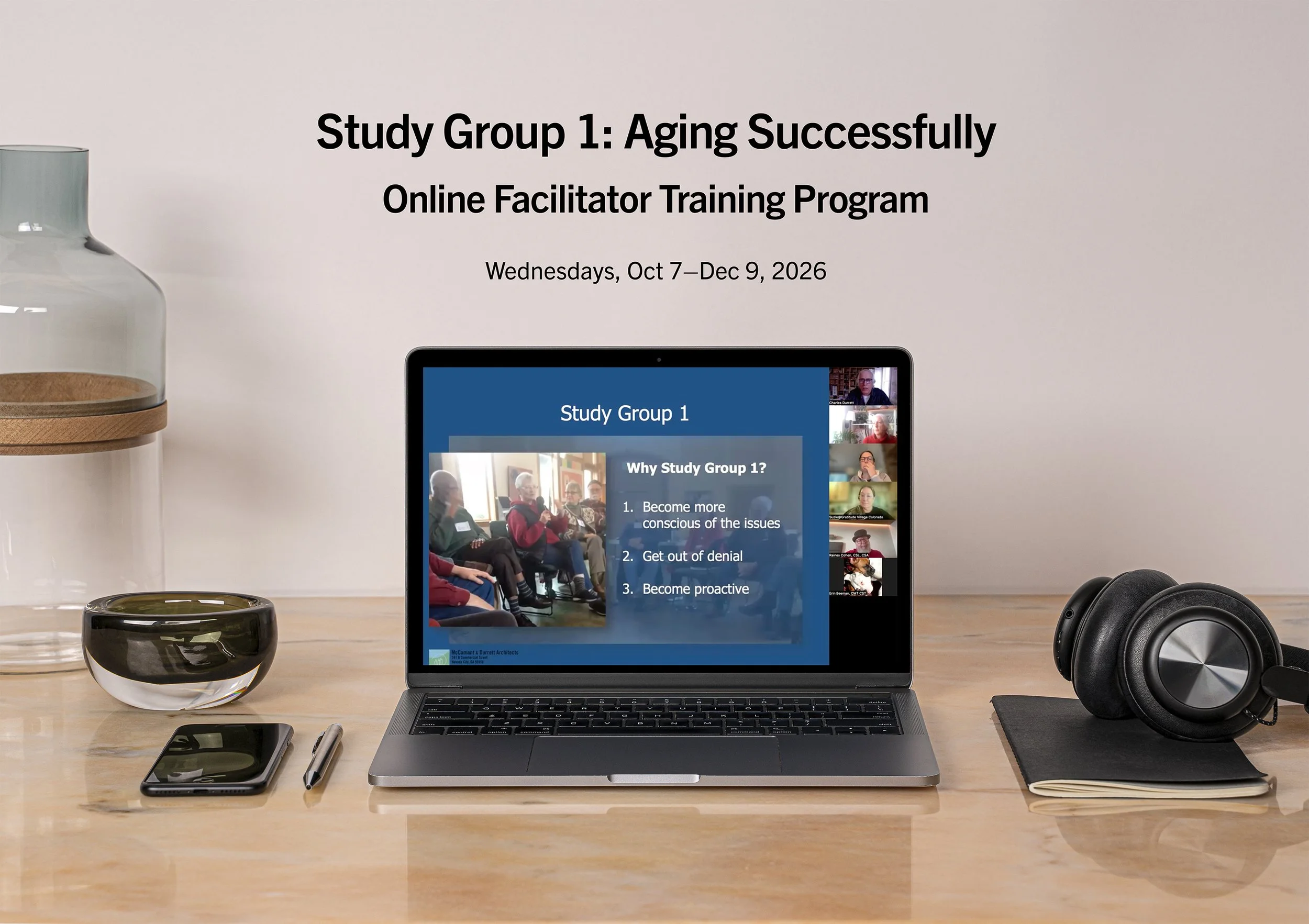
Wednesdays, Oct 7-Dec 9, 2026
9:30am-12:30pm PDT (3 hours)
Become a facilitator in empowering seniors to age in the right place successfully-and making it the right place-so they are thriving in place, not just surviving in place. Learn effective tools that will enhance your current profession or help you start on a new path.
Discover and be able to share the advantages of community. Learn how to start a new affordable senior cohousing, as well as understand the economics of senior living choices and take charge of co-care, co-healing, and much more.
In Denmark, if you were to ask 100 seniors on the street, "would you move to senior cohousing?" maybe one will say yes. But if you ask 100 people who have taken Study Group One, about 40 will say yes. Loneliness has become one of the most serious health risks older adults face — and senior cohousing is one of the most proven, community-built answers we have. It almost always starts with one trained facilitator. This course prepares you to be that person in your own town.
Now in its 21st year, Aging Successfully: Study Group 1 is a ten-week online training led by architect and cohousing pioneer Charles Durrett. Across ten weekly conversations, you'll gain the confidence, the method, and the network to guide a group of your neighbors from "someone should do this" to a real, resident-led community.
See Chapter 7 of The Senior Cohousing Handbook: A Community Approach to Independent Iiving (available at your local library or bookstores or directly from New Society Publisher) for the full description of the workshop. The book is required reading for the seminar.
Not sure yet?
Join us for a free 45-minute info online session. See details.
To ensure communities are well-prepared from the start, The Cohousing Company offers Study Group 1: Aging Successfully, a 10-week online course that teaches how to initiate and guide a successful senior cohousing community. For twenty-five years Study Group One has gained significant momentum as a meaningful and practical course to help participants explore how cohousing offers a supportive and empowering alternative to conventional housing.
Join our Free 45-min Info Session September 9th, 2026 at 10:00 AM